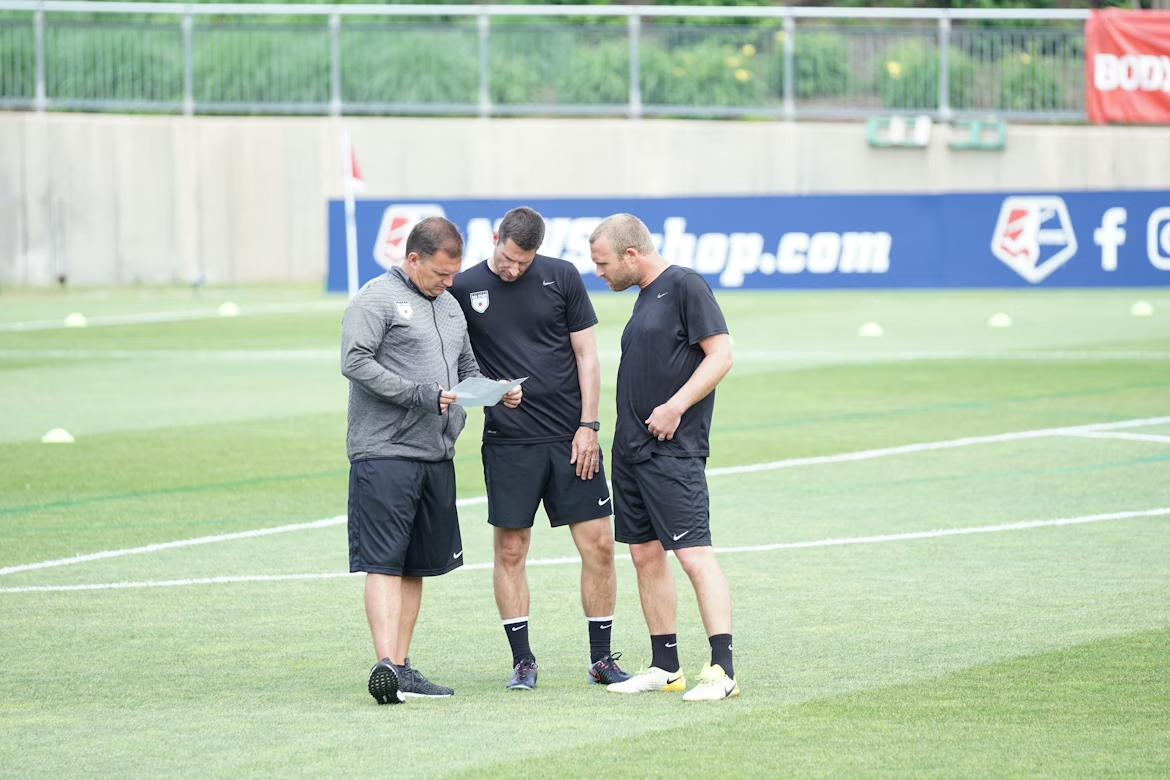
Normally, when people think about coaches, they think only of their whistles, playbooks and instructions from the sidelines. But what most students and fans don’t realize is that coaching is much more than just coming up with plays or shouting formations.
The real work that coaches put in happens much before the kickoff. A good coach doesn’t just teach athletes how to play, they teach athletes how to think, work and hold themselves together.
One thing that many coaches focus on is creating a good environment on the team. That doesn’t mean team spirit or a slogan. It means setting a standard for players that all athletes must follow in order to stay focused.
They do this in order to teach players how to be responsible and dedicated. Coaches are the ones who set the expectations for each player. It may be hard for athletes at times, but coaches who are able to teach their athletes how to hold accountability for their actions or to even work hard when it seems like nobody else is watching help shape a great team.
A team that can understand these expectations always has fewer conflicts, better communication and, most importantly, trust in each other. These expectations don’t just make a great team; they also shape an athlete’s identity, not just on the field but in their day-to-day life as well.
Another important part of coaching is building strong relationships with athletes. When coaches get to know their players as a person and not just an athlete, they learn a lot about how to properly teach them. They learn who needs tough criticism and who needs more encouragement. They also learn who is a natural leader and who needs help in gaining confidence.
This type of connection between coaches and athletes, especially during tough times in a season, helps the team as a whole. Athletes stay more focused, work harder and push through situations where most people would give up.
Leadership also plays a significant role in building a team. Coaches are not able to just hope it appears in athletes, they need to teach it. This means that coaches need to help players understand how to properly take on responsibility, approach challenges without hesitation and motivate the people around them.
At times, coaches may even purposely put players in tough situations in order to help reinforce their growth. Whether it may be speaking in front of the whole team, changing their position, or a tough practice, these types of experiences help keep the team together and united.
Finally, coaches build teams by creating a sense of purpose. They make sure that each player feels that they are included and a part of something bigger than themselves. When a whole team thinks about this idea, they stop thinking as individuals and start thinking together.
This is where teams become more than just raw talent; they become strong, brave and connected. Plays may win a game or a season, but the coaches teaching these plays do much more than just calling the shots.